From hospital bed to a safer home.
In Nigeria, every admission for severe diarrhoea brings a high-risk household into the health system. We act before discharge, while the danger is fresh, to turn a hospital stay into protection for the whole family.
The problem
Recovery in hospital, then back to the same risks
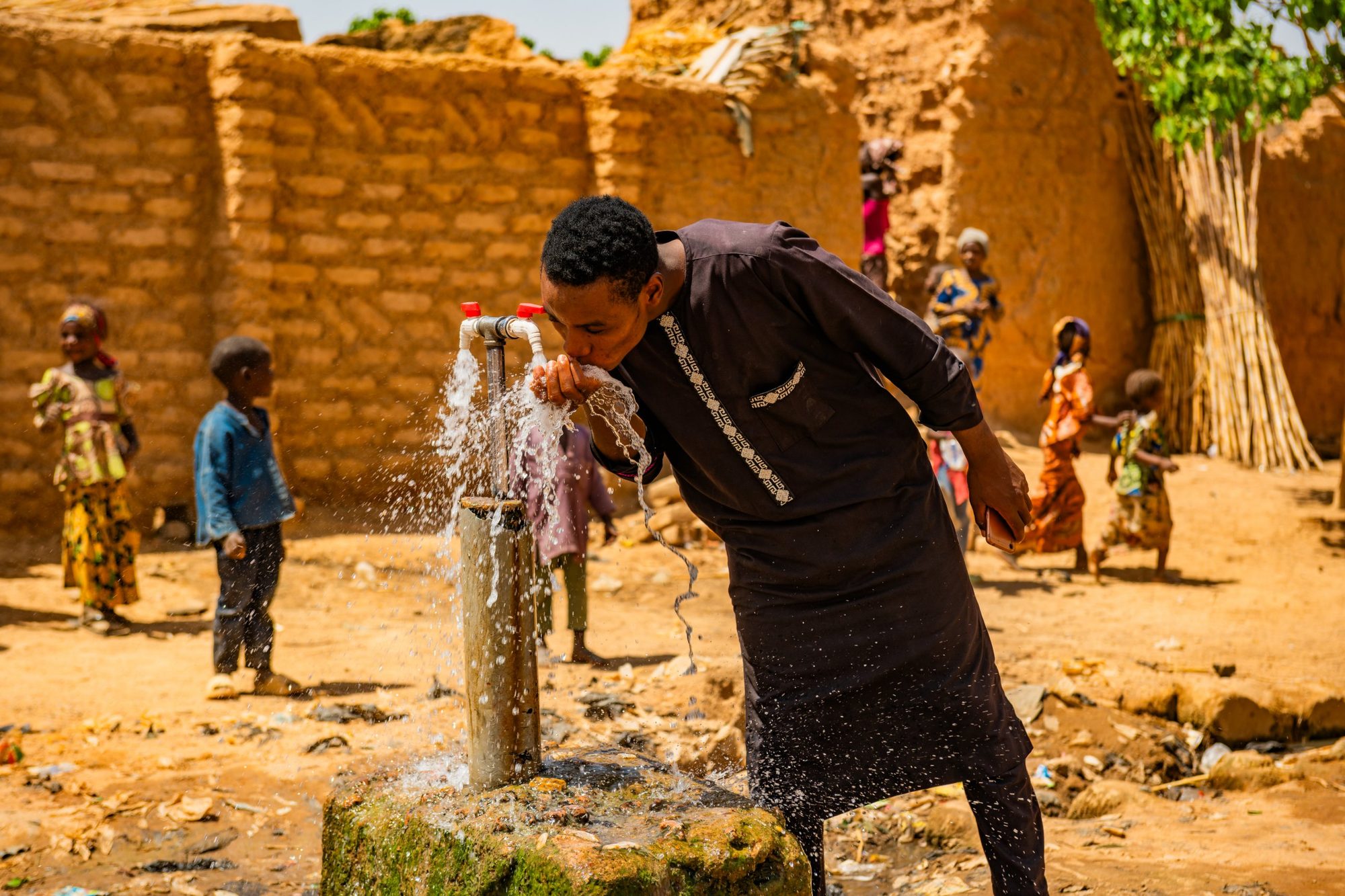
Diarrhoea is one of the leading killers of young children, and Nigeria carries a quarter of the global burden.
After treatment, families go home to the same water and hygiene conditions that caused the illness. The person who was admitted, and the young children they live with, face a sharply higher risk of falling ill. Children who survive repeated episodes are more likely to be stunted.
Hospital admission is also an opportunity. It identifies the households at highest risk without costly community screening, and it comes when families are most motivated to prevent the next episode.
Our approach
Four steps, from the ward to the home
We work with families who have a child under five, after a household member is admitted with diarrhoea. Our health workers start at the bedside, after treatment and before discharge.
Educate
A short, pictorial session with the caregiver on treating drinking water, handwashing with soap and storing water safely.
Supply
A low-cost kit: chlorine tablets and soap, and in some groups a safe water container and handwashing station.
Follow up
Voice and text messages in Hausa through the high-risk months after discharge.
Sustain
Free chlorine refills through vouchers at local pharmacies or through home visits.
Built to be owned by government. Our long-term model is for government health workers to deliver the bedside session as part of routine discharge care, while we support supplies, follow-up messages and monitoring.
The evidence
Tested through seven randomised trials
Our package is adapted from the CHoBI7 and PICHA7 programmes, seven randomised controlled trials led by Johns Hopkins University researchers in Bangladesh and the Democratic Republic of Congo.
Despite strong results, the approach has not yet been adopted into routine healthcare anywhere. We aim to change that, starting in Nigeria.
fewer cases of diarrhoea among household members, depending on the setting and package tested
George et al., 2016; George et al., 2025Where we work
Starting in northern Nigeria
We compared all 36 states and the Federal Capital Territory on health need, feasibility and potential to scale. Kano State is our leading candidate for the first pilot.
In the latest national survey, 28% of Kano's children under five had diarrhoea in the previous two weeks, about twice the national average of 14.6%.
Source: Nigeria Demographic and Health Survey 2023–24.
- Nov 2026 – Jan 2027 We are here
Meet state stakeholders, visit candidate hospitals and secure approvals.
- Feb – Apr 2027
Adapt materials with caregivers and health workers, train staff and test the bedside session with about 40 families.
- May – Oct 2027
Deliver the package to up to 400 families in two hospitals, measuring uptake, quality and cost.
- Nov 2027 – Jan 2028
Complete follow-up and agree the next phase with the State Ministry of Health.
Our team
Hands-on experience inside Nigeria’s health system & testing public health and development programmes.
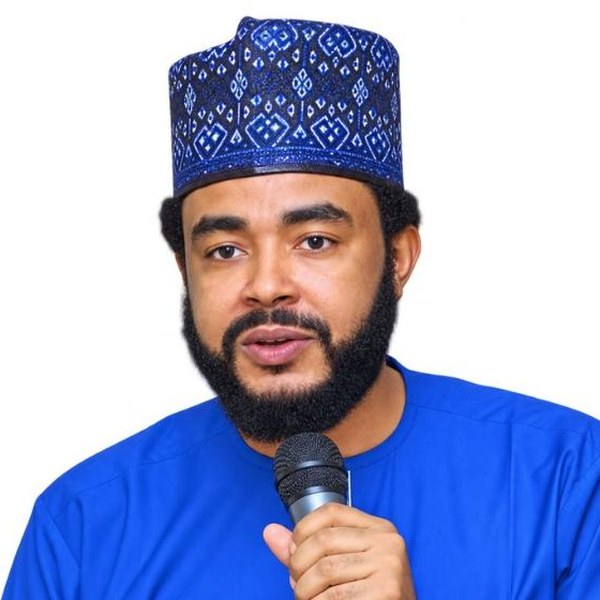
Abubakar Yerima Mohammed
- 10+ years turning policy and pilots into national programmes
- Advised the Nigerian government on the Basic Health Care Provision Fund
- Supported the introduction of rotavirus vaccination into Nigeria's routine immunisation schedule
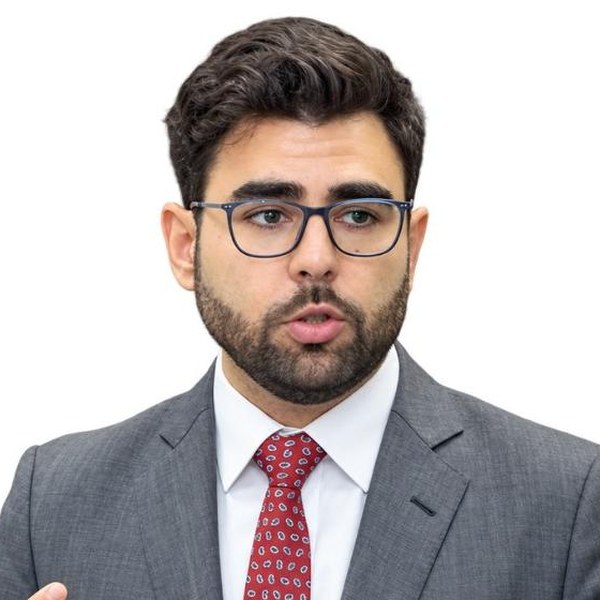
Sebastian Salomón-Ballada
- 10+ years designing and evaluating public health and development programmes
- Advised over 100 governments and organisations in 30+ countries
- Implemented randomised trials with up to 250,000 participants
Advisors
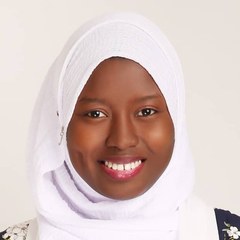 Dr Sa’adiyya BabayoPhysician and clinical operations expert
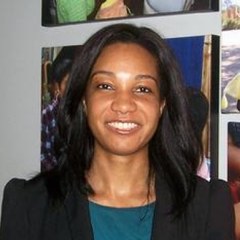 Dr Christine Marie GeorgeProfessor, Johns Hopkins Bloomberg School of Public Health; CHoBI7 and PICHA7 principal investigator
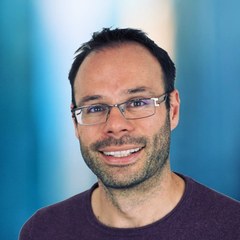 Martyn JamesCo-founder, Clear Solutions
 Justin GrahamExecutive Director, Taimaka
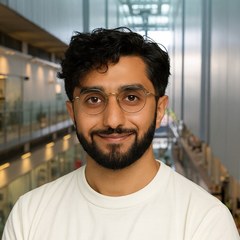 Dr Iqbal AniqCambridge-trained physician and Fulbright scholar
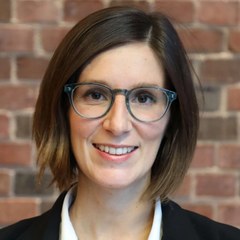
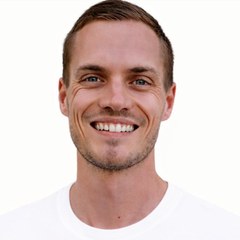 Dr Elisa Maffioli and Grant EdmondCo-founders, SafeStart
Get involved
How can we work together?
Funder
Our first 15 months are fully funded. Further funding would take the programme beyond its first two hospitals and help the state adopt it as routine care.
Researcher or clinician
Help us adapt, test and improve the package in Nigerian hospitals.